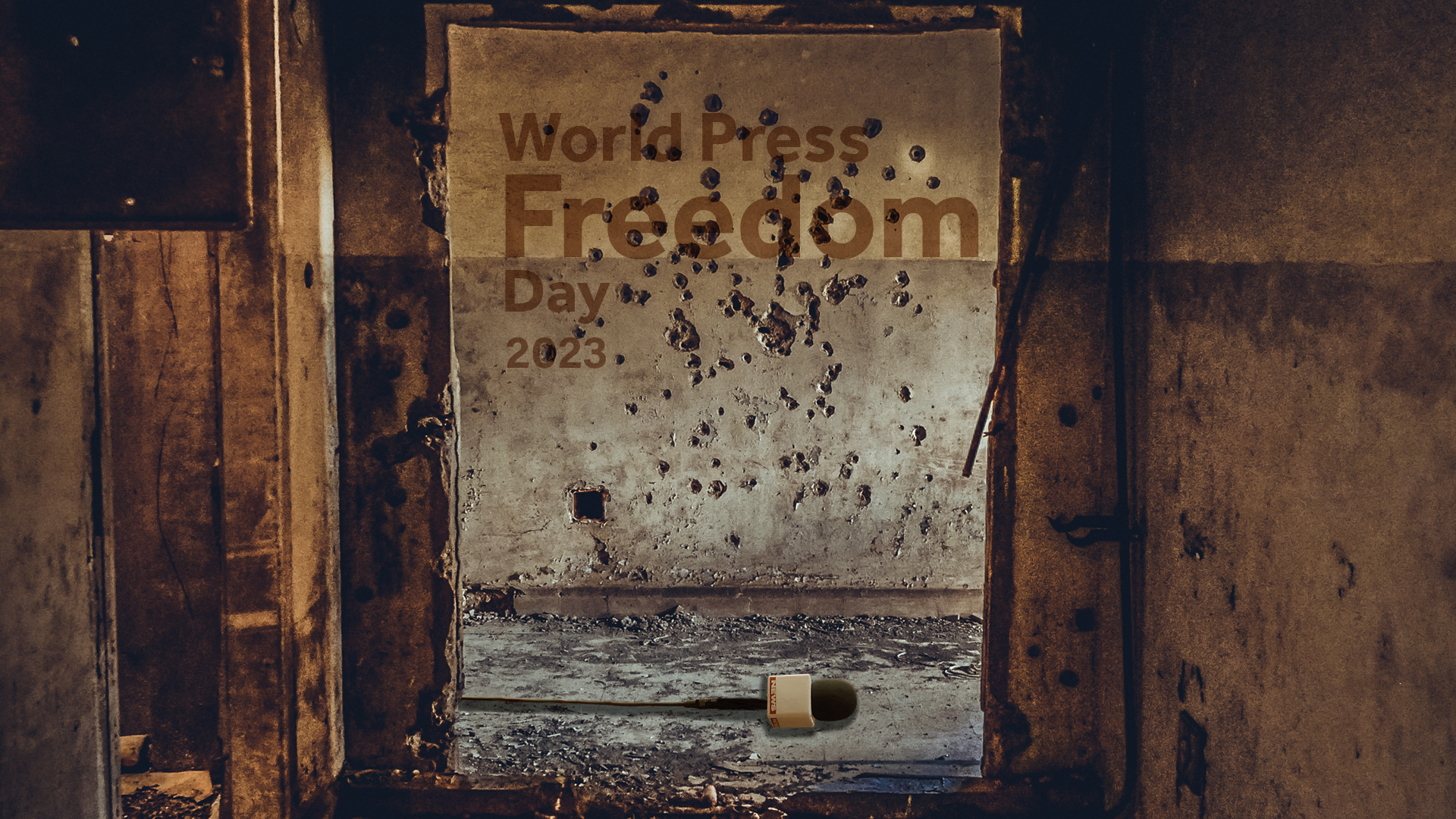

This is the position of the Iraqi Observatory for Human Rights (IOHR) on press freedoms in Iraq, highlighting a severe decline since 2003, where repression against journalists has become systematic through laws, prosecutions, and administrative measures. It warns of rising digital censorship and widespread impunity, stressing that this trajectory threatens freedom of expression, pluralism, and the public’s right to information.
May 3, 2026
The Iraqi Observatory for Human Rights (IOHR) states that Iraq is undergoing one of the most perilous stages for freedom of the press and expression since 2003. It warns of the country’s transition from a phase of "random violence" against journalists to a more dangerous stage characterized by the "institutionalization of repression" through laws, administrative decrees, and organized judicial prosecutions.
According to a study prepared by the IOHR regarding press freedoms in Iraq, scheduled for release on the ninth of this month, the reality of freedoms after the events of October 7, 2023, has witnessed a sharp and unprecedented decline, amid escalating campaigns of intimidation and harassment against journalists, activists, and bloggers, coinciding with an atmosphere of political and sectarian polarization.
IOHR emphasized that Iraq is no longer facing a traditional press freedom crisis; rather, it is experiencing a "systematic closure of the public sphere." This involves state institutions, influential parties, and armed groups through legal, security, and media tools aimed at silencing critical voices and forcing journalists into self-censorship or total silence. This decline was clearly reflected in international rankings, as Iraq dropped to 162nd out of 180 countries in the 2026 World Press Freedom Index issued by Reporters Without Borders, after being ranked 155th the previous year—a loss of seven positions in just one year.
The IOHR added that this decline is not merely a statistical figure but a direct reflection of a dangerous reality for journalists in a "hostile-to-media" environment, where words, opinions, and investigative reports have become sufficient grounds for prosecution, arrest, incitement, or media bans. According to data collected by IOHR, Iraq witnessed dozens of violations during 2025 and early 2026, including abductions, physical assaults, coverage bans, destruction of equipment, and judicial harassment, signaling the expanding circle of targeting and escalating restrictions on media work.
IOHR pointed out that Iraqi authorities continue to use laws inherited from the former regime to punish journalists and thinkers, primarily provisions related to "insulting authorities" and defamation, despite their explicit contradiction with Article 38 of the Iraqi Constitution, which guarantees freedom of expression, the press, and peaceful assembly. It noted that the recent period saw a dangerous surge in using lawsuits as a means to intimidate media professionals. Courts have been filled with cases against journalists, writers, and presenters due to political criticism, reports, or even social media posts. Among these cases are those involving presenter Qusay Shafiq, Editor-in-Chief of Al-Dustour newspaper Bassem Al-Sheikh, and journalist Hossam Al-Kaabi, in addition to arrest warrants targeting journalists for publishing documents or addressing corruption files.
IOHR confirmed that the continued obstruction of the "Right to Access Information" law indicates a lack of genuine will within the Council of Representatives to defend freedoms. The absence of this law has contributed to a culture of opacity and the withholding of official information, leaving journalists in open confrontation with authorities without real legal protection. It added that the Media and Communications Commission (CMC) bears great responsibility for this deterioration, having transformed from a regulatory body into a "punitive tool" using bans and suspensions to stifle voices and impose a unilateral media discourse serving powerful political forces.
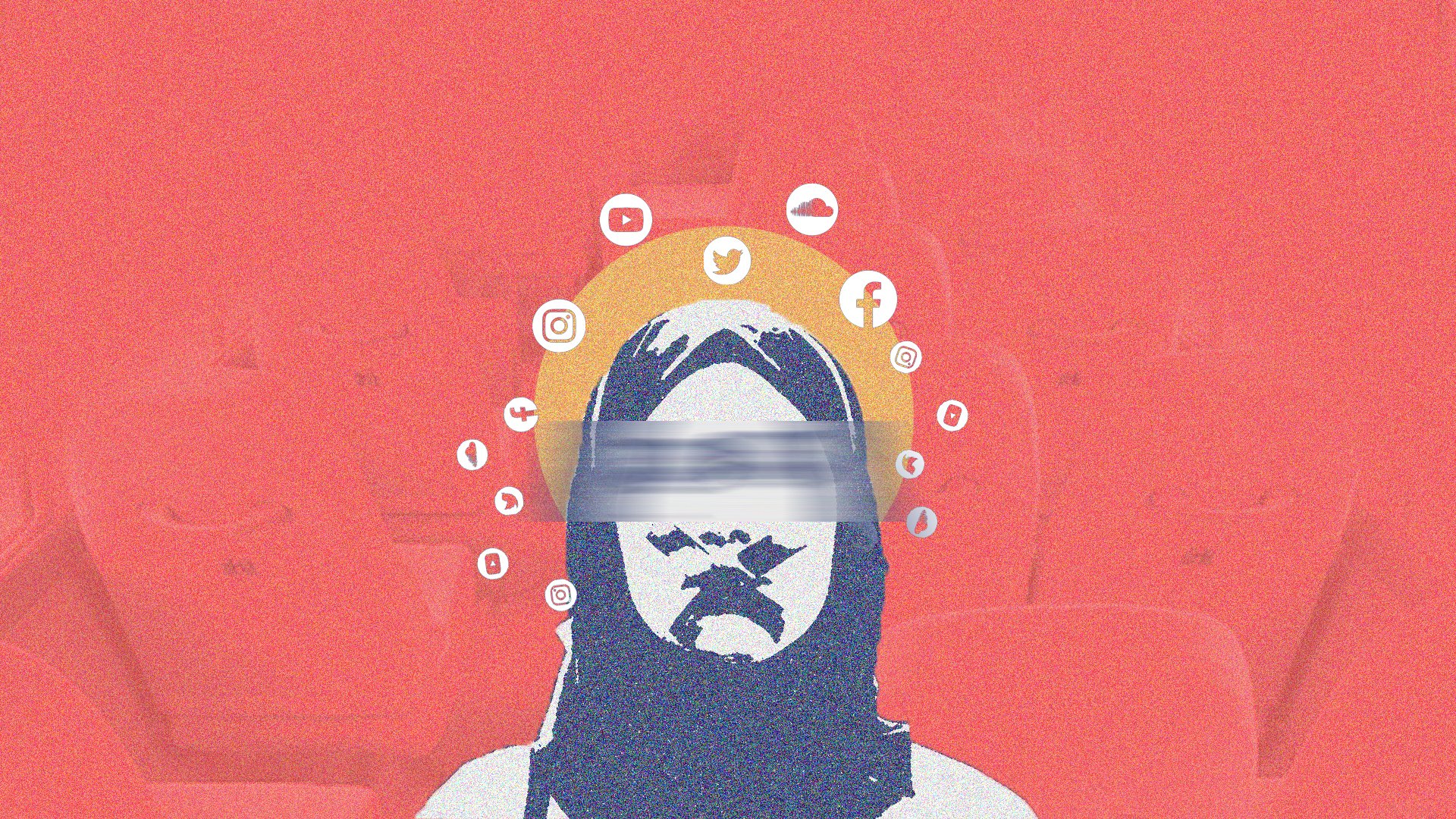
It noted that during the first months of 2026, the Commission issued a series of decisions banning journalists, researchers, and political analysts from media appearances, as well as suspending TV programs and warning satellite channels based on vague terms like "protecting social peace," "low-quality content," and "insulting institutions." The IOHR stated that the most dangerous development is the shift of repression from traditional media to the digital space, where authorities have begun monitoring social media content alongside escalating campaigns of incitement and accusations of "treason" or "offending values" against activists.
IOHR emphasized that many journalists have resorted to deleting their posts or refraining from sensitive topics for fear of prosecution, reflecting the rise of self-censorship. Violations have not stopped at legal threats; security assaults continue, including the abduction of independent American journalist Shelly Kittleson in Baghdad and attacks on media crews in Basra, Karbala, and other provinces. In the Kurdistan Region, the situation is described as "highly sensitive" with continued dominance by parties and security services over the media, increasing arrests, and the closure of media institutions without judicial warrants.
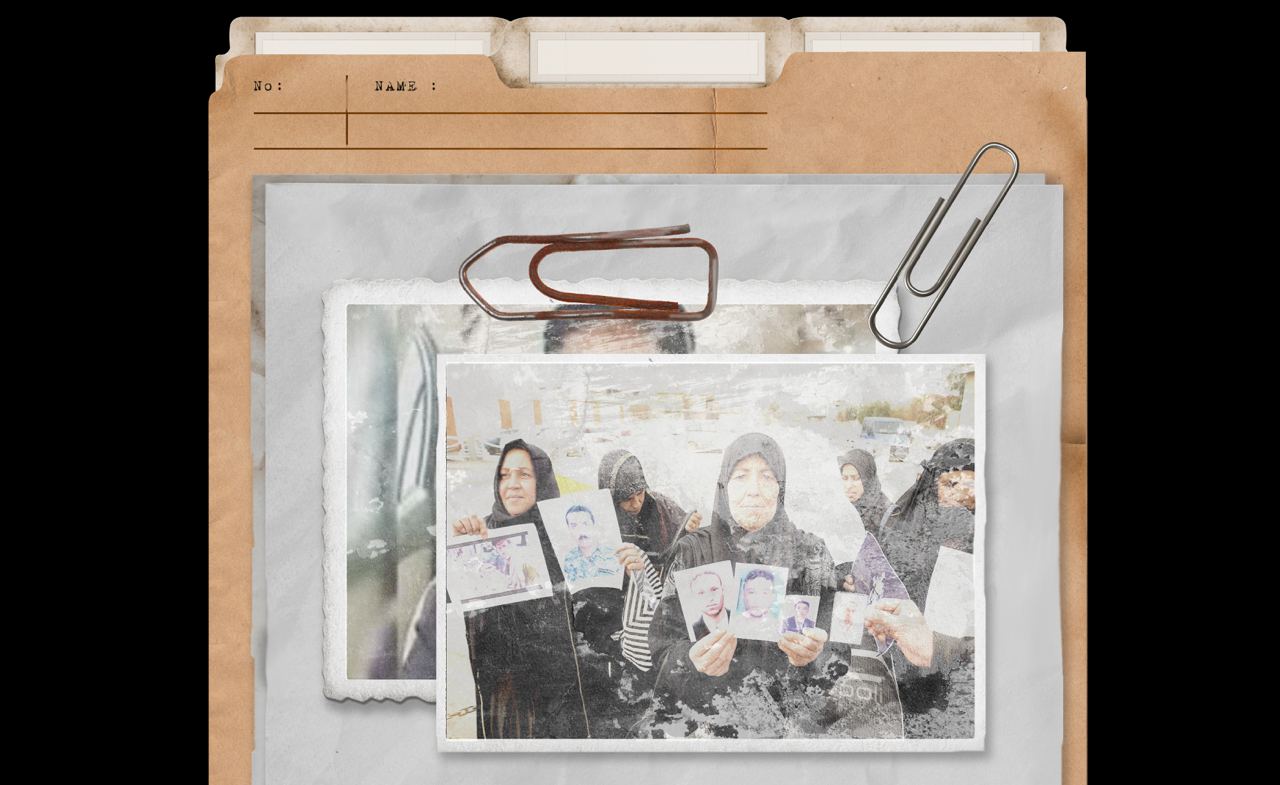
Furthermore, the IOHR highlighted that Iraqi female journalists face double challenges, including character assassination and social targeting, alongside professional harassment and threats. Impunity remains the most prominent feature of the Iraqi scene, as most cases of killing and kidnapping of journalists remain unresolved. IOHR warned that continued pressure on independent media threatens the integrity of the upcoming electoral environment and undermines citizens' right to information. It concluded by calling on Iraqi authorities to stop using restrictive laws, repeal repressive articles in the Penal Code, legislate the Right to Access Information, and ensure the independence of the CMC away from political hegemony, warning that this path leads toward a public sphere managed by fear rather than freedom.