Since 2003, Iraq has witnessed repeated attempts to establish a safer environment for press freedom and freedom of expression. Some of these efforts were serious and genuinely sought to create a space that protects free speech, while others remained mere slogans with little impact on reality. In the midst of this, journalists, activists, and bloggers have continued to face major challenges regarding their right to speak freely and carry out their work without fear, intimidation, or organized smear campaigns.
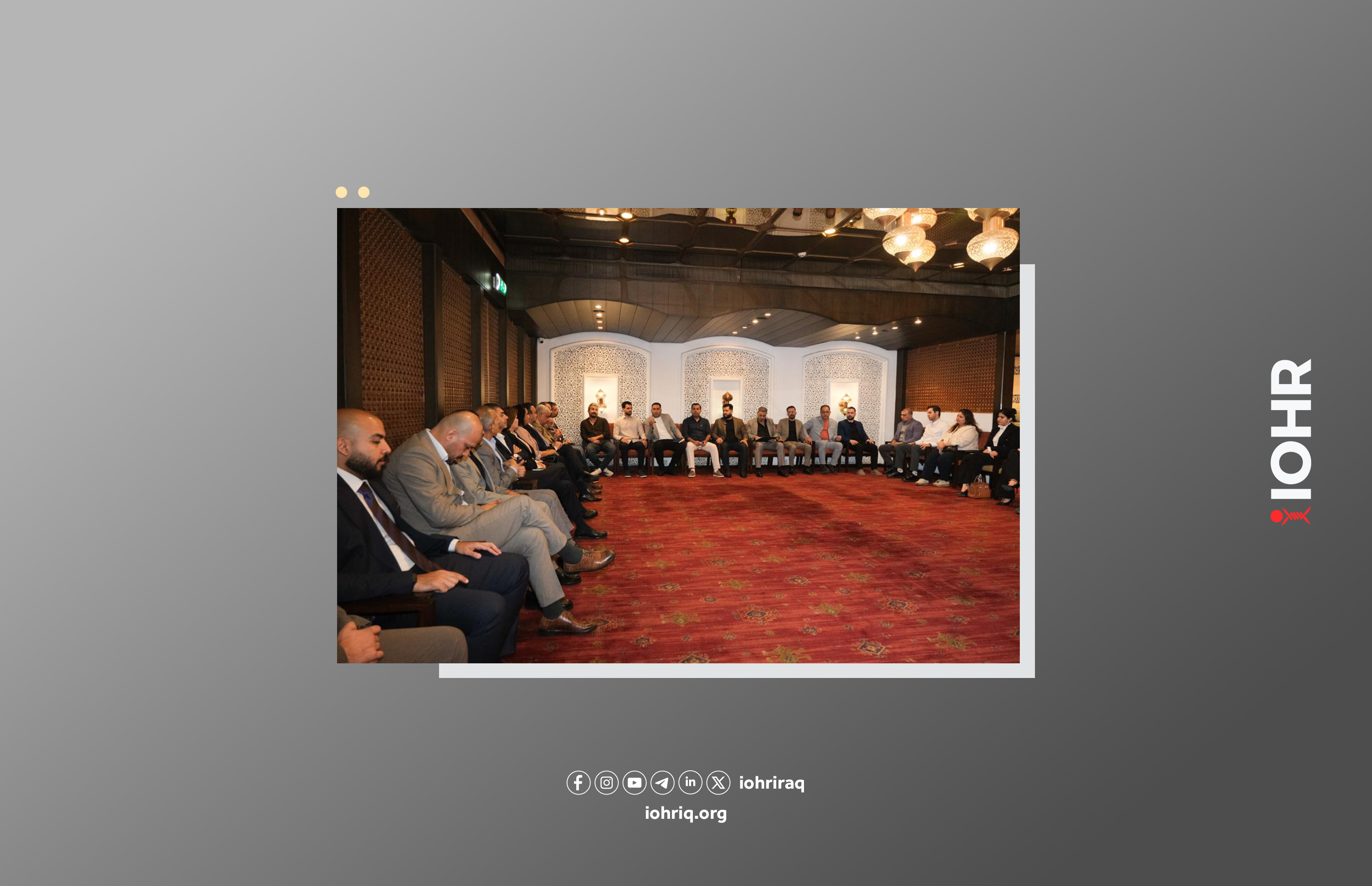
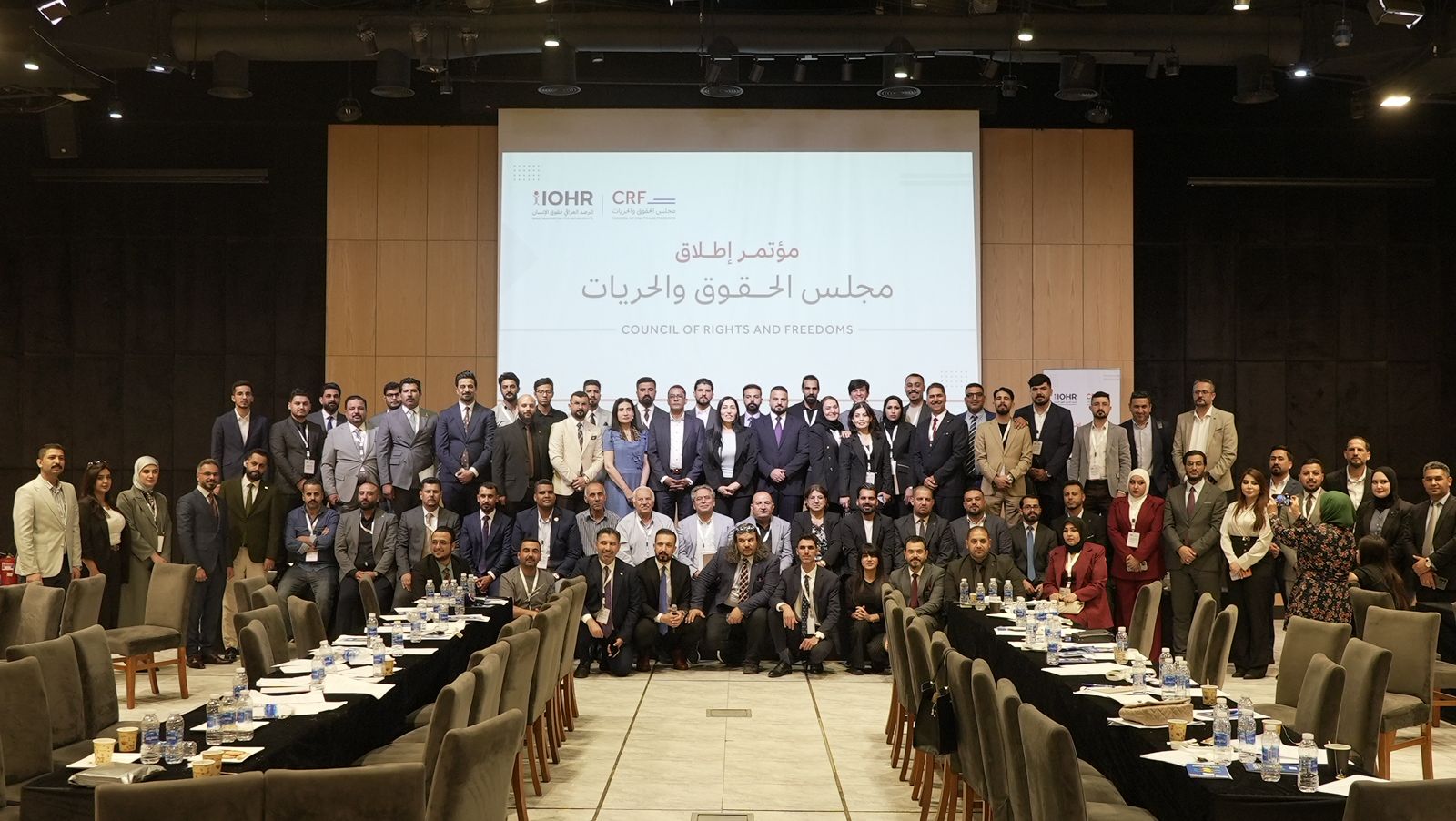
At the recent gathering dedicated to the launch of the “Rights and Freedoms Council,” sponsored by the Iraqi Observatory for Human Rights, the atmosphere felt notably different. Nearly one hundred participants — including journalists, human rights defenders, civil society representatives, activists, and bloggers from various Iraqi provinces — came together under one roof despite their political, intellectual, and cultural differences. What united them was not ideology or shared affiliations, but rather a deeper principle: the urgent need for a safe space for expression, where every individual can voice their opinion without fear of intimidation or targeting.
The discussions held during the meeting were marked by an unusual level of openness and courage, surpassing the conventional boundaries typically seen in public forums and conferences in Iraq. Serious concerns were raised about the future of freedoms and civil rights, while sensitive issues related to the protection of journalists and bloggers, as well as mechanisms to confront attempts to silence voices, were openly addressed. This atmosphere encouraged participants to engage freely and break the silence imposed by years of fear and harassment.
At the same time, it was unsurprising that the initiative faced attacks and incitement campaigns from electronic pages and groups accustomed to targeting any project that seeks to expand the space for freedoms. The emergence of a civil body defending the rights of journalists and activists to express themselves freely — while providing legal and human rights support — is viewed as a direct threat to systems of corruption and repression that fear criticism and public scrutiny.
The attacks directed against the council and its participants went beyond mere disagreement. They took the form of organized campaigns using accusations, insults, and defamation in an attempt to weaken the initiative and discourage those behind it. Yet these campaigns also revealed the extent of fear provoked by any independent civil movement working to defend freedom of expression and civil rights in Iraq.
Despite these pressures, the Rights and Freedoms Council — launched under the sponsorship of the Iraqi Observatory for Human Rights — continues to build its path through the efforts of young activists and advocates who believe in civil values, justice, and people’s right to speak freely. The council does not present itself as a political or ideological entity, but rather as an inclusive platform dedicated to defending rights and freedoms and promoting a safer and more independent media and civic environment.
The launch of the Rights and Freedoms Council under the sponsorship of the Iraqi Observatory for Human Rights represents an important step within Iraq’s long struggle for civil liberties and human rights. It is an attempt to restore the value of dialogue, the right to disagree, and freedom of expression. More importantly, it reflects the belief that societies cannot progress without protecting free speech, encouraging responsible debate, and building a public space that is open to everyone, free from intimidation, hatred, and exclusion.